In 2027, advanced freedivers seeking encounters with Raja Ampat’s vibrant marine biodiversity will find Misool’s southern reefs offer exceptional challenges and rewards. Mastering specific techniques for deeper dives and stronger currents is crucial for safely exploring these pristine waters, renowned for their dense coral gardens and abundant pelagic life during the optimal October to April season.
Raja Ampat, particularly the Misool region, remains a premier destination for advanced freedivers in 2027. The sheer biodiversity and pristine condition of its reefs present unique opportunities for those skilled in deeper dives and efficient current navigation. This guide focuses on the specific techniques and considerations essential for safely and effectively exploring Misool’s southern reefs, building upon the foundational knowledge of experienced freedivers.
Understanding Misool’s Unique Freediving Environment
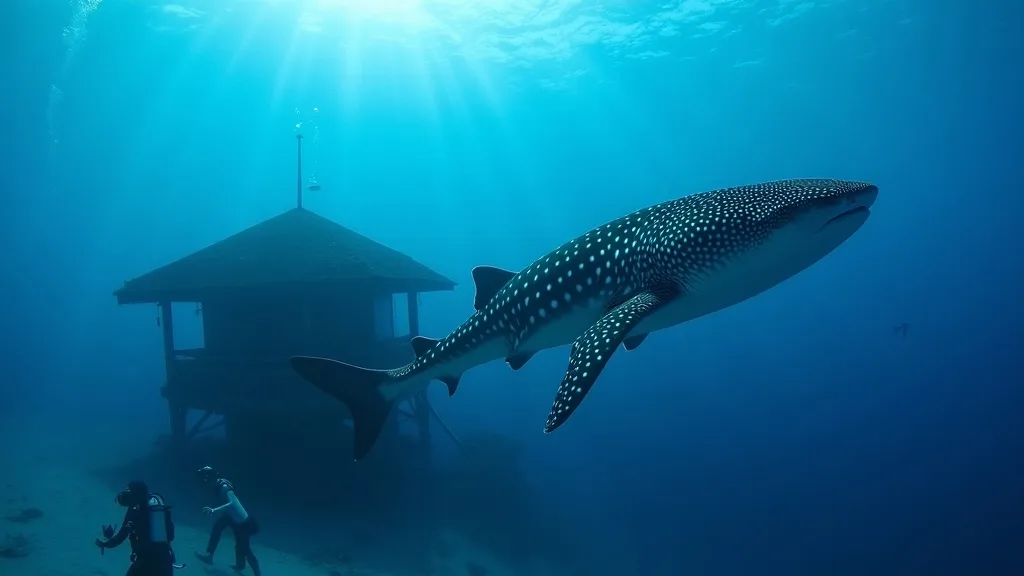
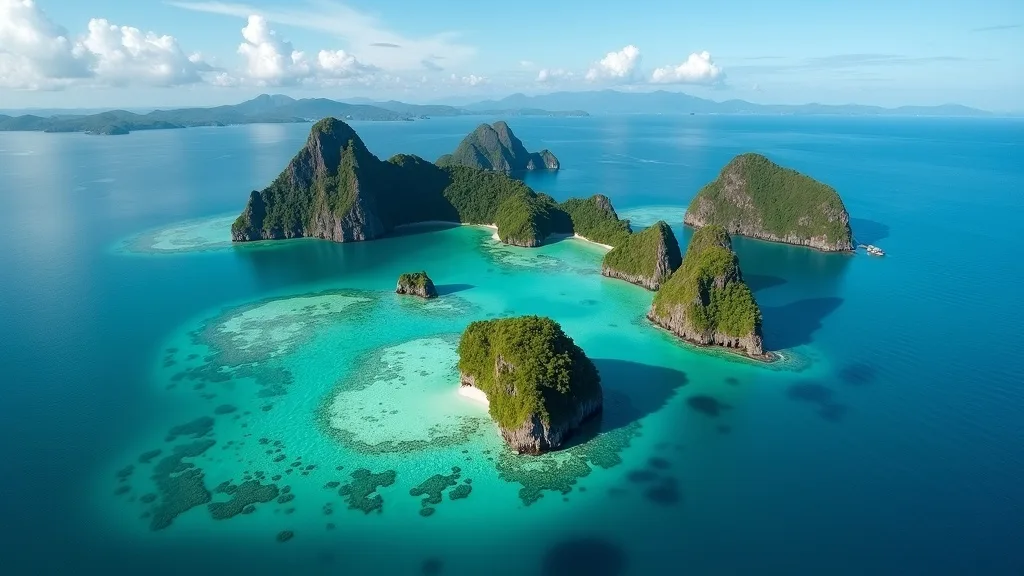
Misool’s southern reefs are distinct from the more northern parts of Raja Ampat. Known for their dramatic topography, including submerged pinnacles, vertical walls, and extensive coral gardens, these areas often experience stronger currents. This is particularly true in channels and around exposed reef systems, which, while challenging, also contribute to the area’s incredible nutrient flow and subsequent marine life density.
The optimal freediving season for Misool runs from October to April, coinciding with the northwest monsoon. During this period, the seas are generally calmer, and visibility is at its peak, often exceeding 20-30 metres. Conversely, the southeast monsoon from June to September brings rougher seas, especially in Misool, making freediving conditions less predictable and potentially hazardous. Planning your trip within the calm season is paramount for safety and enjoyment.
Advanced Equalisation and Descent Techniques
For Misool’s deeper reef systems, often extending beyond 20 metres, advanced equalisation techniques become critical. The Frenzel manoeuvre is typically a prerequisite for advanced freedivers, but for sustained deeper dives, mastering the Mouthfill technique is highly recommended. This allows for equalisation at greater depths without expending precious air from the lungs, preserving oxygen for the dive itself.
Controlled, efficient descents are equally important. Employing a streamlined body position reduces drag, conserving energy. Practising negative buoyancy at depth, where the diver becomes naturally buoyant, allows for effortless exploration of deeper sections without constant finning. This technique is particularly useful when observing stationary marine life on walls or around bommies.
Navigating Currents Safely and Efficiently
Currents are an inherent feature of Misool and can range from gentle drifts to strong flows. Advanced freedivers must develop a keen sense of current awareness and precise navigation skills. Here are key strategies:
- Current Assessment: Before entering the water, observe surface conditions, consult local guides, and if available, use current prediction apps. Understand the direction and strength of the current.
- Drift Diving: Embrace the current for efficient coverage of large reef sections. Plan your entry and exit points carefully, ensuring your boat support is aware of your intended trajectory.
- Current Holds: Learn to use reef contours and rock formations to shield yourself from strong currents when you need to observe or rest. Always maintain situational awareness to avoid entanglement or being swept away.
- Finning Technique: Adapt your finning style. For strong currents, powerful, long strokes provide more propulsion. For gentle drifts, minimise finning to conserve energy.
Always dive with a buddy, and ensure both divers are proficient in current management. Communication, even non-verbal, is vital when conditions are dynamic.
Enhanced Breath-Hold and Safety Protocols
While breath-hold capacity is a personal attribute, advanced freedivers constantly work on improving their CO2 tolerance and O2 conservation. Regular dry training, including static apnea and CO2 tables, contributes significantly to performance and safety during demanding dives. However, never push limits in open water without appropriate supervision and safety measures.
Safety protocols in Misool are non-negotiable:
- Buddy System: Always dive with a trained and experienced freediving buddy.
- Surface Support: A dedicated surface support person or boat is crucial, especially when exploring deeper or current-prone areas.
- Lanyard Use: Consider using a lanyard when diving on a line, particularly for depth training, to prevent entanglement and ensure quick ascent if needed.
- Emergency Plan: Have a clear emergency action plan, including knowledge of first aid for freediving incidents and rapid access to medical assistance.
Freediving Retreats and Liveaboard Options in 2027
For those looking to refine their skills in Misool, specialised retreats and freediving-friendly liveaboards offer structured environments. In 2027, options like the Fluid Focus Freediving Retreat (January 22-30, 2027) provide dedicated training. A shared room costs $2,800 USD (~47,000,000 IDR), while a private room is $3,600 USD (~60,500,000 IDR), requiring a $500 USD deposit. These typically include meals, accommodation, and guided freediving, yoga, and coral conservation activities, though flights to Sorong are extra.
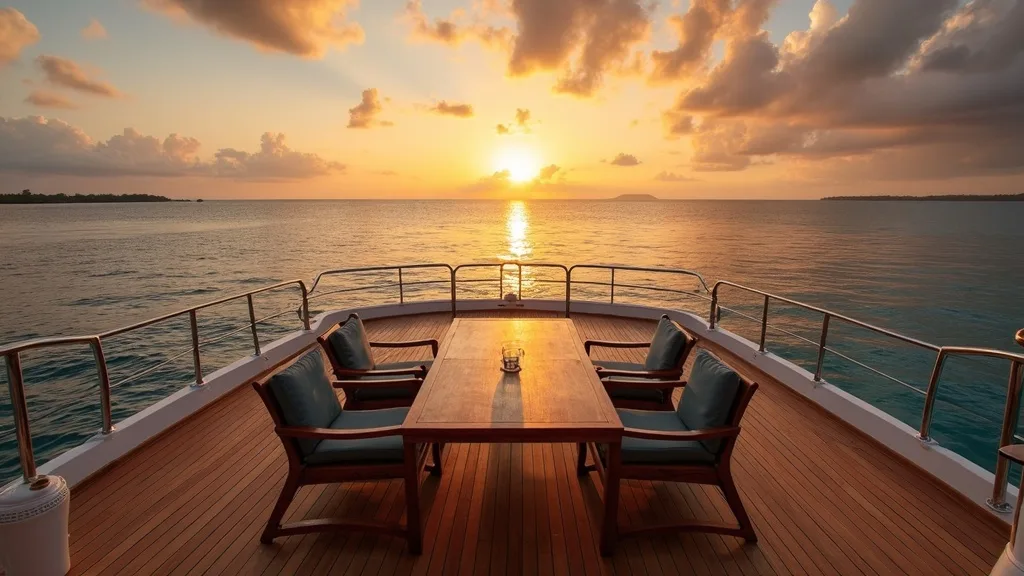
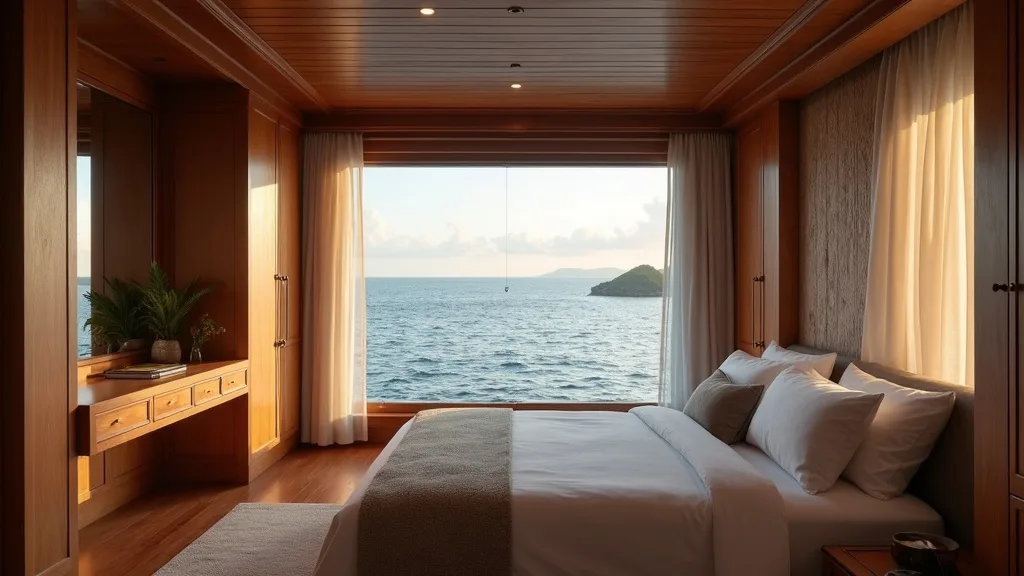
While dedicated freediving liveaboards are less common than scuba-focused ones, many luxury raja ampat liveaboards are increasingly accommodating freedivers. For instance, Scuba Network’s Raja Ampat March 21-31, 2027 trip offers a Double Diver Deluxe for $5,895 USD (cash) or a Master Cabin for $6,295 USD, with a $1,500 USD deposit. Emperor Harmoni (Feb 13-22, 2027) has Lower Deck Cabins at $6,210 USD per person. These provide excellent platforms for accessing Misool’s remote reefs, though specific freediving instruction might need to be arranged separately.
For budget-conscious travellers, basic homestays offer an alternative at around $30 USD per person per night, including three meals. However, these provide very simple setups and might require arranging independent boat charters for accessing Misool’s prime freediving spots, which can be costly and logistically challenging without a group.
| Option | Details | Price (USD) | Notes |
|---|---|---|---|
| Fluid Focus Retreat | Shared Room, Jan 22-30 | $2,800 | 8 nights, meals, freediving, yoga, conservation |
| Fluid Focus Retreat | Private Room, Jan 22-30 | $3,600 | 8 nights, meals, freediving, yoga, conservation |
| Scuba Network Liveaboard | Double Diver Deluxe, Mar 21-31 | $5,895 | Excludes Nitrox ($150), Marine Park fees ($250) |
| Emperor Harmoni Liveaboard | Lower Deck Cabin, Feb 13-22 | $6,210 pp | Double occupancy, non-refundable deposit $1,000 |
| Basic Homestay | Per person per night | $30 | Simple setup, shared shower, 3 meals/day |
| Freediving Course | Beginner (Raja Ampat/Manado) | $100-$200 | Depending on organisation and length |
Conservation and Responsible Freediving in Misool
Misool is a beacon of marine conservation, with the Misool Marine Protected Area (MPA) serving as a critical no-take zone. Advanced freedivers have a responsibility to uphold these conservation efforts. This includes:
- No Contact: Absolutely no touching of corals or marine life. Maintain neutral buoyancy to avoid accidental contact.
- Respect Wildlife: Observe marine animals from a respectful distance. Do not chase or harass them.
- Buoyancy Control: Master precise buoyancy to avoid finning into or kicking sensitive reef structures.
- Waste Management: Pack out everything you pack in. Avoid single-use plastics.
Your presence as an advanced freediver in Misool contributes to the economic value of its pristine environment, reinforcing the importance of its protection. By adhering to responsible practices, you help ensure these incredible reefs remain healthy for future generations of freedivers and marine life.
What is the best time of year for advanced freediving in Misool?
The optimal season for advanced freediving in Misool is from October to April. This period coincides with the northwest monsoon, bringing calmer seas and significantly better visibility, which are crucial for deeper and more challenging dives on the southern reefs. The southeast monsoon from June to September typically results in rougher conditions, especially around Misool.
Are there specific retreats for advanced freedivers in Raja Ampat in 2027?
Yes, in 2027, retreats like the Fluid Focus Freediving Retreat (January 22-30) are available, offering structured programmes that often include advanced freediving techniques, yoga, and coral conservation. While many liveaboards cater primarily to scuba divers, some are increasingly freediving-friendly, allowing experienced freedivers to access remote sites. It’s advisable to confirm specific freediving support and instruction when booking a liveaboard.