Planning a freediving trip to Raja Ampat in 2027 requires careful consideration of seasonal conditions, accommodation options, and budget. The optimal freediving season runs from October to April, offering calm seas and exceptional visibility, with retreats like Fluid Focus providing comprehensive packages from $2,800 USD. Budget alternatives include homestays at $30 USD/night.
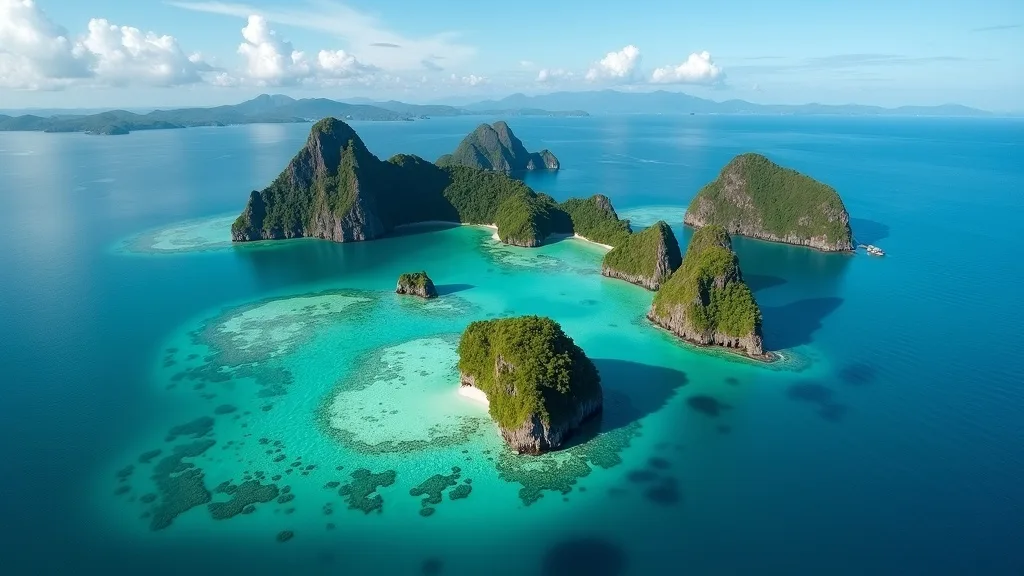
Raja Ampat, a sprawling archipelago in West Papua, Indonesia, remains a premier destination for freedivers seeking pristine coral reefs and abundant marine life. As we approach 2027, the region continues to evolve, offering a range of options from dedicated freediving retreats to budget-friendly homestays. Understanding the nuances of planning a trip in the coming year is crucial for an unforgettable experience.
Optimal Freediving Seasons and Conditions
The best time for freediving in Raja Ampat in 2027 will predictably align with the northwest monsoon, spanning from October to April. During these months, the seas are typically calm, and underwater visibility is at its peak, providing ideal conditions for exploring the vibrant coral gardens and encountering diverse pelagic species. Conversely, the southeast monsoon, from June to September, often brings rougher seas, particularly around the Misool area, which can hinder freediving activities.
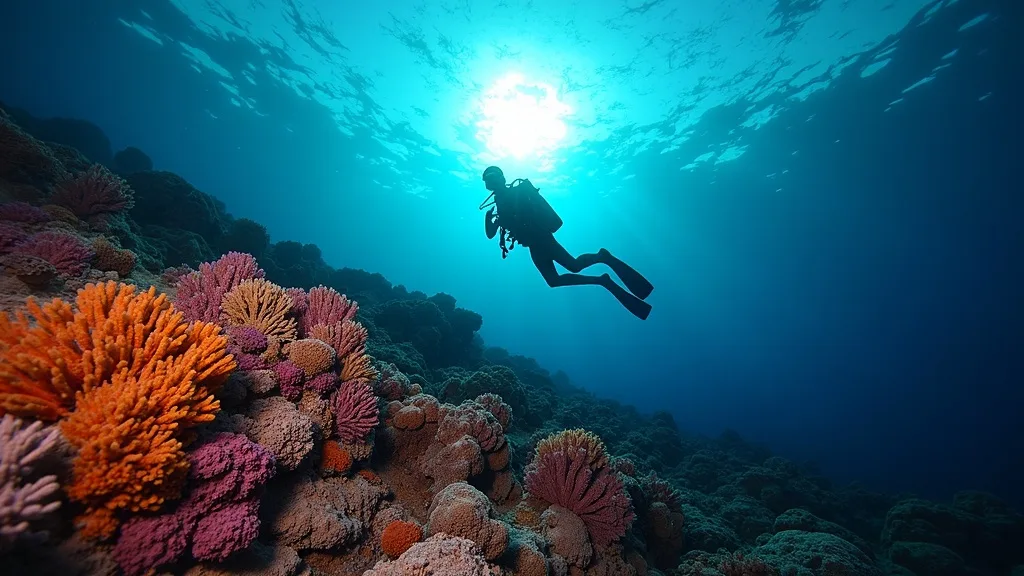
Water temperatures in Raja Ampat consistently hover between 28-30°C (82-86°F) year-round, making wetsuits optional for many, though a 2-3mm suit can offer protection from sun exposure and extended time in the water. Currents, while generally mild, can vary significantly depending on the dive site and tidal movements, necessitating careful planning with local guides. Visibility is consistently excellent, frequently exceeding 20 metres, allowing for clear views of the extensive reef systems.
Accommodation and Pricing in 2027
For those planning a freediving trip in 2027, a range of accommodation options caters to different budgets and preferences. Dedicated freediving retreats offer comprehensive packages, while homestays provide a more economical alternative.
Freediving Retreats
One notable option for early 2027 is the Fluid Focus Freediving Retreat, scheduled for January 22–30. This eight-night programme includes all meals, freediving instruction, yoga sessions, and coral conservation activities. Prices are set at $2,800 USD (approximately 47,000,000 IDR) for a shared room and $3,600 USD (approximately 60,500,000 IDR) for a private room. A $500 USD deposit secures a place, with flights to Sorong excluded from the package.
Liveaboard Options
While primarily geared towards scuba diving, many liveaboards in Raja Ampat are freediving-friendly and offer exceptional access to remote dive sites. For comparison, 2027 prices for scuba liveaboards illustrate the higher end of marine accommodation:
- Scuba Network – Raja Ampat (March 21–31, 2027): Double Diver Deluxe at $5,895 USD, Master Cabin at $6,295 USD (cash prices). A $1,500 USD deposit is required, with Nitrox ($150) and Marine Park fees ($250) extra.
- Emperor Harmoni – (February 13–22, 2027): Lower Deck Cabin at $6,210 USD per person (double occupancy). A $1,000 USD non-refundable deposit is typical.
- Scuba Junkie – 8D7N (2027): Triple share Bow at $3,795 USD, Twin share at $4,140 USD.
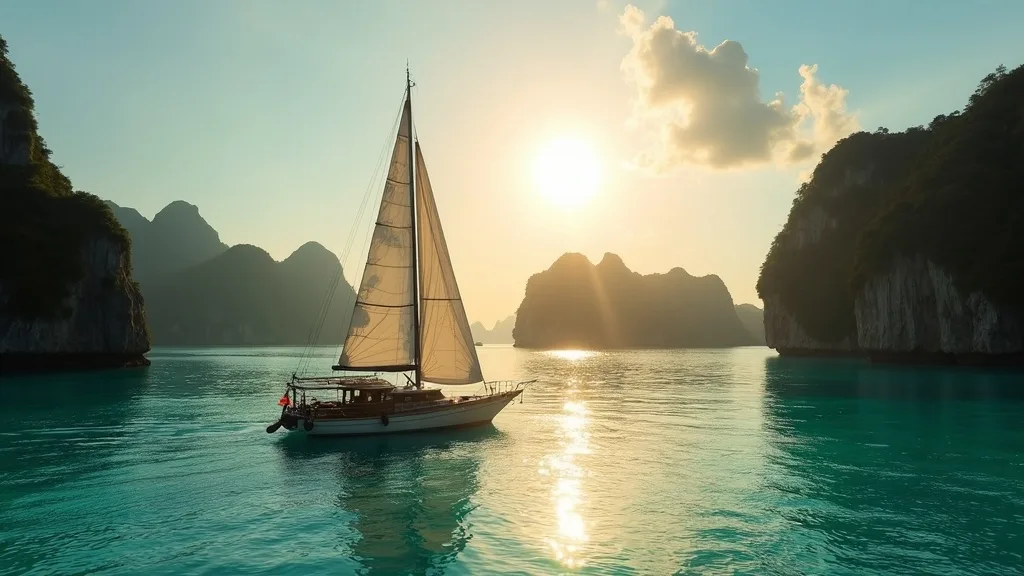
These liveaboards offer an excellent way to explore the vastness of Raja Ampat, often including stops at world-renowned sites like Misool, Dampier Strait, and Wayag. For those seeking a truly bespoke experience, exploring luxury raja ampat options can provide private charters and customised itineraries.
Budget Alternatives: Homestays and Resorts
For freedivers on a more constrained budget, homestays offer a genuine local experience. In 2027, basic homestays are projected to cost around $30 USD per person per night, including three meals a day and shared bathroom facilities. These provide a simple yet authentic way to experience Raja Ampat. Resorts, offering more amenities, typically start from $200 USD per night, while general liveaboards begin around $3,000 USD per week.
Standalone freediving courses in Raja Ampat or nearby Manado are also available, with beginner courses costing between $100–200 USD, depending on the organisation and duration.
Key Trends for Freediving in Raja Ampat 2027
Several trends are shaping the freediving landscape in Raja Ampat for 2027:
| Trend Category | Details for 2027 |
|---|---|
| **Conservation Focus** | Increased emphasis on marine conservation, coral restoration, and sustainable tourism practices. Many retreats integrate conservation efforts into their programmes. |
| **Sustainable Travel** | Growing demand for eco-friendly operators, reduced plastic use, and support for local communities. Freedivers are increasingly selecting operators with strong environmental credentials. |
| **Technology Integration** | Use of advanced freediving computers and underwater cameras for documenting dives and monitoring performance. Social media continues to drive interest through high-quality underwater imagery. |
| **Health and Wellness** | Integration of yoga, meditation, and breathwork into freediving retreats to enhance physical and mental preparation. |
| **Remote Work & Travel** | Increased flexibility allows longer stays, with some freedivers combining their passion with remote work, especially during the peak season. Improved satellite internet access supports this trend. |
These trends highlight a shift towards more responsible and holistic freediving experiences. Operators are responding by offering more integrated packages that combine freediving with other wellness activities and a strong focus on environmental stewardship.
Permits and Logistics for 2027
All visitors to Raja Ampat are required to purchase the Raja Ampat Marine Park Entry Permit, also known as the PIN. In 2027, the fee is expected to remain around 1,000,000 IDR (approximately $65-70 USD) for international visitors, valid for one year. This permit supports local conservation efforts and community development.
Access to Raja Ampat is primarily via Sorong (DOM) airport, with domestic flights from major Indonesian hubs like Jakarta (CGK) or Makassar (UPG). From Sorong, transfers to Waisai (the capital of Raja Ampat) are typically by ferry, followed by boat transfers to individual resorts or homestays. Booking flights and transfers in advance is advisable, especially during the peak season from October to April.
What makes Raja Ampat a unique freediving destination compared to other Indonesian spots?
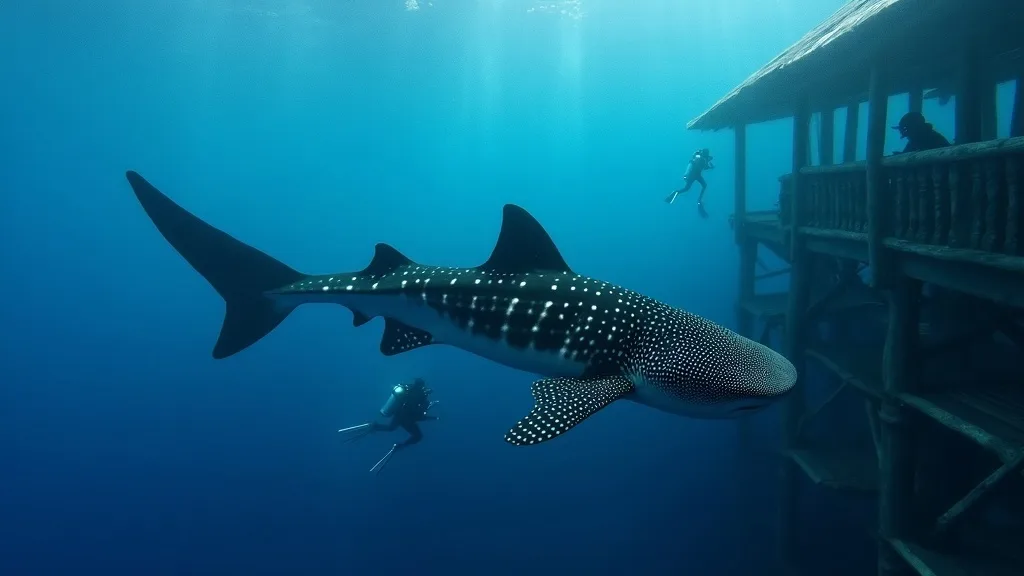
Raja Ampat’s exceptional biodiversity, boasting over 75% of the world’s coral species and an density of marine life, distinguishes it from other Indonesian freediving locations. The archipelago’s remote nature ensures pristine environments, minimal human impact, and diverse underwater topography ranging from shallow coral gardens to dramatic walls and manta cleaning stations. This combination of ecological richness and preserved natural beauty offers a freediving experience found nowhere else.
Are there any specific freediving regulations or best practices to be aware of in Raja Ampat for 2027?
For 2027, freedivers in Raja Ampat must adhere to the Marine Park Entry Permit regulations. Best practices include maintaining a respectful distance from marine life, particularly turtles, sharks, and manta rays, and never touching or standing on corals. It is crucial to dive with a buddy, use appropriate safety equipment, and follow the guidance of local freediving instructors or guides who are familiar with local currents and conditions. Emphasise no-trace principles to minimise environmental impact.