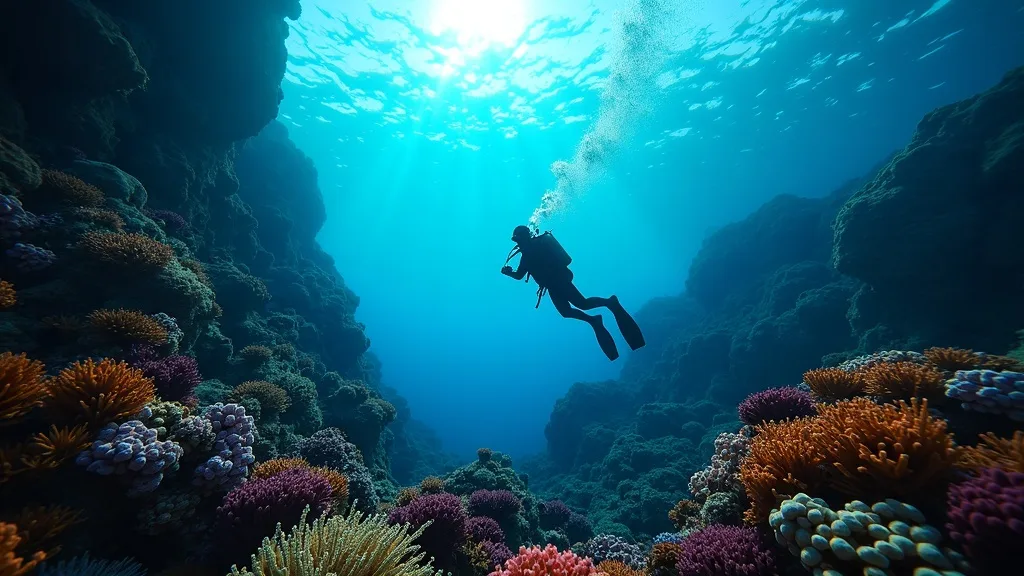
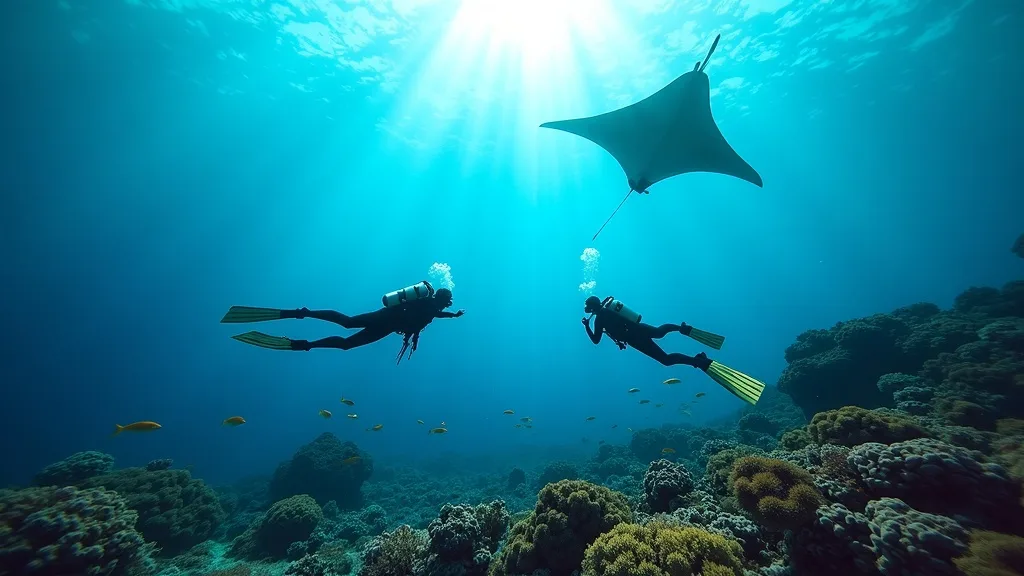
Freediving Raja Ampat in 2027 offers options beyond luxury liveaboards, making this Indonesian paradise more accessible. Budget-conscious travellers can leverage homestays, early bookings, and targeted course selection to experience its renowned biodiversity without excessive expenditure, particularly during the optimal October–April season.
Raja Ampat, a name synonymous with marine biodiversity and pristine coral reefs, is often perceived as a destination exclusively for the affluent. While it is true that many of the region’s premier liveaboards and resorts carry a significant price tag, the good news for 2027 is that freediving Raja Ampat on a budget is increasingly viable. This guide outlines practical strategies for experiencing the archipelago’s underwater marvels without depleting your savings, focusing on tangible costs and trends for the upcoming year.
Understanding Raja Ampat’s Cost Landscape in 2027
Before delving into budget tactics, it is crucial to understand the general cost framework. As of 2027, Raja Ampat remains a remote destination, which inherently drives up prices for transport, accommodation, and specialised activities. Luxury liveaboards, such as the Emperor Harmoni or Scuba Network options, demonstrate this, with 8- to 10-day trips costing upwards of $5,895 USD for a double diver deluxe cabin. Even a more modest Scuba Junkie liveaboard can reach $3,795 USD for a triple share. Dedicated freediving retreats, like the Fluid Focus event in January 2027, are priced around $2,800 USD for a shared room, excluding flights. However, these figures represent the upper echelon. Alternatives exist, and with careful planning, Raja Ampat’s underwater realm can be within reach for the budget-conscious freediver.
The Homestay Advantage: Your Budget Basecamp
The most significant budget-saving strategy for freediving in Raja Ampat in 2027 is opting for local homestays. These provide a simple yet authentic experience, typically including three meals a day. Priced at approximately $30 USD per person per night, homestays offer a stark contrast to resorts starting from $200 USD/night. While the facilities are basic – often with shared showers and rudimentary amenities – they provide direct access to local communities and stunning house reefs. Many homestays are located on smaller islands like Kri, Gam, or Mansuar, offering excellent shore freediving opportunities directly from their jetties or nearby beaches. This approach significantly reduces your daily expenditure, allowing you to allocate funds to other essential aspects of your trip, such as local boat charters for exploring further afield or specific freediving courses.
Strategic Timing: Maximising Value in 2027
The best season for freediving in Raja Ampat is from October to April, coinciding with the northwest monsoon. This period offers calm seas and optimal visibility, making it ideal for freediving. While this is also peak tourist season, booking well in advance can secure better rates for flights and homestays. Conversely, the southeast monsoon (June–September) brings rougher seas, particularly around Misool, and can lead to disruptions. However, if you are an experienced freediver comfortable with choppier conditions and focused on the northern regions, travelling during the shoulder months (e.g., late April or early October) might yield slightly lower prices for local boat hire or less crowded homestays. Be aware that some operators reduce services during the low season, so thorough research is essential.
Freediving Courses and Equipment: Smart Choices
If you are new to freediving or wish to advance your skills, a standalone beginner course in Raja Ampat or nearby Manado typically costs between $100–200 USD. This is a worthwhile investment. Bringing your own mask, snorkel, and fins is advisable to avoid rental costs and ensure comfort. Wetsuits are optional for many, as water temperatures average 28–30°C, but a 1.5mm or 3mm suit can provide thermal comfort for longer sessions and protection from sun or minor scrapes. Local shops are scarce and expensive, so purchasing equipment before arrival is the most economical option. Consider a luxury Raja Ampat trip later, once your skills are honed and you’re ready to invest more.
Transportation and Logistics: Minimising Transit Costs
The primary entry point to Raja Ampat is Sorong (SOQ). Flights from major Indonesian cities like Jakarta or Makassar are the most common route. Booking these flights several months in advance is critical to securing competitive prices. Once in Sorong, the public ferry to Waisai (the capital of Raja Ampat) is the most economical option, costing around 100,000 IDR (approx. $6–7 USD) for economy class. From Waisai, homestay owners often arrange transfers to their islands, usually via longtail boats. Agree on these costs upfront. Sharing boat transfers with other travellers can significantly reduce individual expenses. Be prepared for potentially long travel days and embrace the journey as part of the adventure.
Sample Budget Breakdown (7 Days, 2027)
Here’s a hypothetical budget for a 7-day freediving trip to Raja Ampat in 2027, based on the strategies above:
| Expense Category | Estimated Cost (USD) | Notes |
|---|---|---|
| Return Flights to Sorong (e.g., from Jakarta) | $300 – $500 | Book well in advance |
| Sorong Airport to Ferry Terminal Transport | $5 – $10 | Taxi or shared minivan |
| Return Public Ferry Sorong-Waisai | $15 | Economy class |
| 7 Nights Homestay (incl. 3 meals/day) | $210 | $30 USD/night |
| Waisai to Homestay Island Transfer (return) | $50 – $100 | Shared longtail boat; varies by island |
| Marine Park Entry Fee (Raja Ampat PIN) | $70 | Mandatory, valid for 1 year |
| 2 Local Boat Trips (e.g., half-day) | $100 – $200 | Shared cost with other homestay guests |
| Miscellaneous (snacks, drinks, local tips) | $50 – $100 | Budget for incidentals |
| Total Estimated Cost | $800 – $1300 | Excludes freediving course if needed, major equipment |
This estimate demonstrates that a 7-day trip focusing on homestays and local transport can be achieved for under $1,500 USD, excluding international flights to Indonesia, and assuming you already possess basic freediving equipment. Adding a beginner freediving course would increase the total by $100–200 USD.
Conclusion: Accessible Aquatic Wonders
Freediving Raja Ampat in 2027 does not have to be an exclusive pursuit. By strategically utilising homestays, booking flights and accommodation early, making smart choices about courses and equipment, and embracing local transport, the mesmerising underwater landscapes of the Four Kings become an attainable goal for the budget-conscious adventurer. The reward is an authentic, profound connection with one of the planet’s most biodiverse marine ecosystems, experienced on your own terms.
Can I take a freediving course if I’m staying in a homestay?
Yes, many homestays can help arrange contact with local freediving instructors or dive centres on nearby larger islands, or you can book a course independently in Waisai or Sorong before heading to your homestay. Be sure to confirm the logistics and additional transport costs to and from the course location.
Is it safe to freedive in Raja Ampat without a guide?
While many homestays offer excellent house reefs suitable for shore freediving, venturing into open waters or exploring more remote sites without a local guide who understands currents and marine life patterns is not recommended. Always freedive with a buddy, and for deeper or more adventurous dives, consider hiring a local boat with an experienced captain or joining an organised freediving trip.